Difference Between 120 V and 240 V Self-Regulating Heating Cable Systems - Heat-Line Freeze Protection Systems

Difference Between 120 V and 240 V Self-Regulating Heating Cable Systems

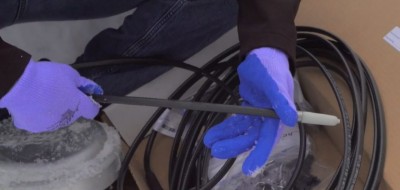
Heat-Line offers self-regulating heating cable systems available in both 120 V and 240 V configurations. The selection of the appropriate voltage depends upon various factors such as the specific product, intended application, available power, and power demands.

In our latest video, we detail the important differences between 120 V and 240 V systems, providing valuable insights for informed decision-making. Find out more in this month’s video blog.

Related Posts
What To Do If A Self-Regulating Heating Cable System Is Unplugged and The Pipe Is Frozen

What To Do If A Self-Regulating Heating Cable System Is Unplugged and The Pipe Is Frozen

Heat-Line provides advanced heating cable systems that prevent pipes from freezing and offers reduced energy consumption, longer life expectancies, greater reliability and lengthier warranties than...

Should You Allow Your Heating Cable and Pipe To Freeze?

Should You Allow Your Heating Cable and Pipe To Freeze?

Retro-Line is an advanced, self-regulating heating cable system that is used for safe and reliable in-pipe freeze protection. Heat-Line's self-regulating heating cable technology renders all...

How to Install the Paladin Self-Regulating Heating Cable System on Pipes

How to Install the Paladin Self-Regulating Heating Cable System on Pipes

In this month’s video blog, we demonstrate how to install Paladin for Pipe self-regulating heating cable system on pipes, using a range of attachment accessories...