How to Prevent a Frozen Sewer Vent Stack - Heat-Line Freeze Protection Systems

How to Prevent a Frozen Sewer Vent Stack

Heat-Line specializes in providing freeze protection solutions for a wide range of pipe and roof applications including one that is sometimes overlooked: the frozen sewer vent stack. A sewer vent stack, also referred to as a plumbing vent stack, is located on the top of the roof of a building. A frozen sewer vent stack can occur depending on the region and how cold the climate is, generally as a result of condensate moving through the pipe, condensing and freezing on the inner wall of the plumbing vent, creating a plug.

To prevent a frozen sewer vent stack from occurring, Heat-Line has developed the only certified solutions for freeze-protecting sewer vent stacks; ArcticVent and ArcticVent-HT.

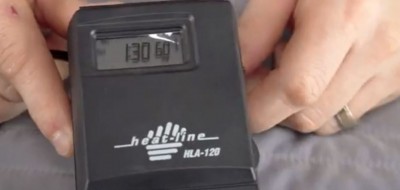
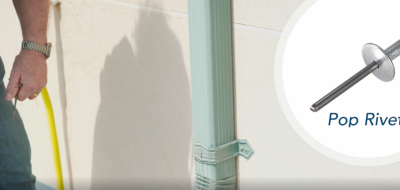
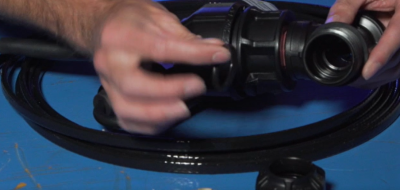
Find out more about these innovative solutions on how to prevent a frozen sewer vent stack in this month’s video blog.

For more information on ArcticVent visit our product page at https://heatline.com/product/arcticvent/

Request a free, no obligation quote for your application at https://heatline.com/request-a-quote/

Related Posts
Common Customer Questions (FAQ)

Common Customer Questions (FAQ)

Since 1988 Heat-Line has been manufacturing quality self-regulating heating cable systems to prevent water pipes from freezing and ice dams from forming on roofs. With...

How Deep to Bury Water Pipes to Prevent Freezing

How Deep to Bury Water Pipes to Prevent Freezing

How Deep to Bury Pipes  A common question our customers ask is how deep to bury water pipes to prevent freezing. To prevent water pipes...

Difference Between 120 V and 240 V Self-Regulating Heating Cable Systems

Difference Between 120 V and 240 V Self-Regulating Heating Cable Systems

Heat-Line offers self-regulating heating cable systems available in both 120 V and 240 V configurations. The selection of the appropriate voltage depends upon various factors...