
Retro-Line Outdoor Intersection Explained - Heat-Line Freeze Protection Systems

Retro-Line Outdoor Intersection Explained

Commonly Retro-Line systems are installed into a pipe from within a building and as such the intersection point of the heating cable and the pipe is located within an accessible dry space. (Click Here to watch a standard install) In some unique circumstances it may be necessary to install the intersection point outdoors. Under these circumstances Heat-Line recommends against burying the Retro-Line connection fitting and instead promotes a more accessible and appropriate method of outdoor intersection. Listen to the December vlog and learn directly from a Heat-Line specialist about a unique method of intersecting a Retro-Line in an outdoor application that will allow it to remain accessible. Click Here to view the outdoor intersection document mentioned in the video.

Related Posts
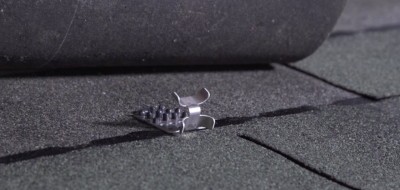
Features of Roof Clips for Paladin Self-regulating Heating Cable System

Features of Roof Clips for Paladin Self-regulating Heating Cable System

Paladin for Roof is an award-winning, advanced, self-regulating roof heating cable system that can be used for efficient and reliable roof and gutter de-icing. Roof...
Does Low Voltage Heat Trace Use Less Energy?

Does Low Voltage Heat Trace Use Less Energy?

A common misconception is that low voltage electrical appliances, such as a heating cables, consume less energy than 120/ 240 volt electrical appliances. Power consumption...
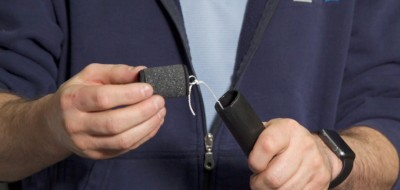
How to Install a Long Length of Retro-Line Heating Cable In A Pipe

How to Install a Long Length of Retro-Line Heating Cable In A Pipe

The Retro-Line heating cable, sometimes referred to as electric heat tracing for pipes, is supplied in a predetermined length with all necessary components for a...